The 3-Layer Financial Foundation: Your Blueprint to Financial Freedom
You have probably heard it a thousand times: "Get your finances in order."
But what does that actually mean? And where do you even start?
Here is the truth: when it comes to their finances most people try to run before they can walk. They jump straight into stock market tips, cryptocurrency discussions, and complex investment strategies without laying the groundwork. Then they wonder why they feel stressed about money, unable to invest consistently, or stuck in an endless cycle of living paycheck-to-paycheck.
At Vessify, we believe financial success isn't complicated. It follows a predictable blueprint of what we call the 3-Layer Financial Foundation.
Think of it like building a house. You cannot build the second floor without a solid ground floor, and you cannot add a roof without walls to support it. If you try to hang a chandelier (crypto/high-risk stocks) before pouring the concrete foundation (insurance/savings), the whole house will eventually collapse.
Let’s break down this framework so you can identify exactly where you stand and what your next move should be.
Layer 1: The Safety Net (Protection)
The Foundation
This is your bedrock. Nothing else matters if you do not have this in place. Without Layer 1, you are always one bad month away from financial disaster.
What It Includes
1. The Emergency Fund (Your Financial Airbag) Life throws curveballs: job loss, medical emergencies, car repairs, or family crises. You need 3–6 months of your living expenses kept in a separate, accessible account (like a Liquid Fund or Sweep-in FD).
- Why: If you don't have this, you will be forced to sell your investments or take high-interest loans when things go wrong.
2. Basic Financial Health (Insurance)
- Health Insurance: Relying solely on your employer's corporate cover is risky. If you lose your job, you lose your cover. You need a personal Retail Health Policy.
- Term Life Insurance: If you have dependents (spouse, children, aging parents), this is non-negotiable. Pure term insurance is the cheapest way to buy a large cover (e.g., ₹1 Crore). Starting early in both cases provides a massive leg-up
3. Debt Management If you have high-interest debt (credit cards, personal loans), this is your priority.
- Analogy: High-interest debt is like a hole in the bottom of your financial boat. It doesn't matter how fast you row (invest); the water (wealth) keeps draining out. Plug the hole first.
4. Understanding Your Cash Flow You need to know exactly how much money hits your account each month and exactly where it goes. This isn't about being restrictive; it is about awareness. You can't fix what you don't track.
Why This Matters
When you have a safety net, you sleep better at night. You can think clearly about money without panic. That peace of mind is worth more than any stock market return.
✅ Action Steps for Layer 1
- Get Insured (Health): Purchase a personal health insurance policy (Family Floater or Individual) with a minimum cover of ₹10 Lakhs.
- Get Insured (Life): If you have dependents, buy a Term Life Insurance policy with a cover of at least 15-20x your annual income.
- Build the Fund: Open a separate high-yield savings account and aim for 3 months of expenses. Start with ₹1,000/month if needed.
- List & Attack Debt: List all debts and their interest rates; pay off the highest rate first.
- Track Expenses: Track your spending for just 30 days to find your baseline.
Vessify Rule: If Layer 1 isn't full, you are not an investor yet. You are a saver.
Layer 2: The Growth Engine (Smart Investing)
The Walls
Once your safety net is solid, you are ready to build the walls. This is where your money starts working for you.
What It Includes
1. Investment Planning & Goals Money needs a purpose. Are you saving for a home? A vacation? Retirement?
- Rule of Thumb: Align your investment with your timeline. A 10-year goal can handle stock market volatility. A 2-year goal belongs in safer instruments like FDs or Debt Funds.
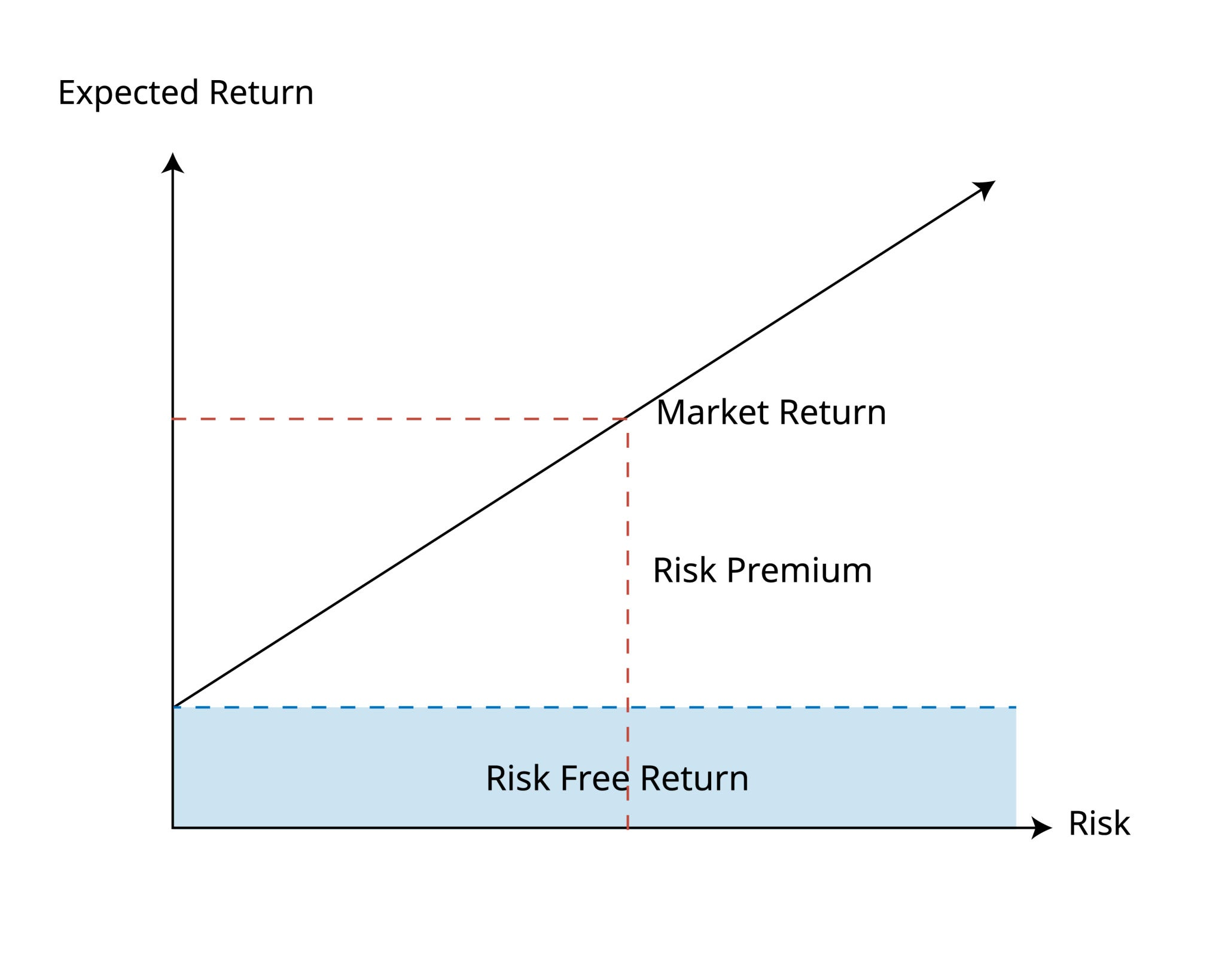
2. Understanding Risk vs. Return Higher returns always require higher risk and longer timelines.
- Low Risk: FDs, PPF (Predictable, lower returns).
- High Risk: Mid-cap stocks, crypto (Volatile, potential for high returns). Know your "sleep quotient" i.e. how much market fluctuation can you watch without losing sleep?
3. Portfolio Diversification Don't put all your eggs in one basket. A simple beginner approach might look like:
- 70% Stable: PF, PPF, Debt Funds.
- 20% Moderate: Nifty 50 Index Funds, Large Cap Funds.
- 10% Aggressive: Mid-cap or specific equities.
4. The Habit of Investing (SIPs) Start small. ₹500/month through a Systematic Investment Plan (SIP) is enough. Consistency beats timing. You cannot predict the market, but you can profit from it by investing regularly through ups and downs (Rupee Cost Averaging).
Why This Matters
If you keep cash in your pocket, inflation eats 6-7% of its value every year. Your ₹1 Lakh becomes worth ₹93,000 in real purchasing power after just one year. Investing isn't optional; it is essential for survival.
The Power of Time: A 25-year-old investing ₹1 Lakh annually @ 10% will have ₹2+ Crore by age 55. A 35-year-old starting the exact same path will end up with less than ₹80 Lakhs. That is the cost of waiting.
✅ Action Steps for Layer 2
- List your top 3 financial goals with timelines.
- Assess your risk tolerance honestly (Conservative, Moderate, or Aggressive?).
- Open an investment account (Vessify recommends low-cost platforms).
- Set up an automatic SIP for the day after your salary hits.
- Review performance quarterly, not daily.
Vessify Rule: 80% of your investable surplus goes here. This layer pays for your retirement and your kids' education.
Layer 3: The Wealth Amplifier (Strategic Optimization)
The Roof
This is where you graduate from "good habits" to "exceptional wealth building." This layer protects your wealth and maximizes efficiency.
What It Includes
1. Tax Efficiency Smart tax planning can save you ₹50,000 to ₹2 Lakhs annually.
- Tools: PPF, NPS, ELSS Mutual Funds.
- Strategy: Understand deductions under Section 80C and 80D. It’s not just about what you earn; it’s about what you keep.
2. Advanced Optimization
- Rebalancing: Once a year, check if your portfolio has drifted (e.g., too much equity because the market rallied). Sell high and buy low to reset your balance.
- Correlation: ensuring your assets don't all move in the same direction at the same time.
3. Passive Income Streams
- Dividend Stocks: Owning companies that pay you just for holding shares.
- Rental Income: Real Estate (REITs or physical property). The goal is to create cash flow that arrives whether you go to work or not.
4. Legacy & Long-Term Planning
- Retirement: Calculate your specific "Freedom Number." (we will have all the calculators you need on our website in a short while)
- Estate Planning: ensure your nominations are updated so your wealth transfers smoothly to your family.
Why This Matters
Layer 3 separates those who build wealth from those who just have a savings account. It focuses on holistic financial health i.e. taxes, legal protection, and income diversification, rather than just chasing stock returns.
✅ Action Steps for Layer 3
- Calculate your retirement needs (Check the Vessify Retirement Calculator, to be launched soon).
- Maximize your ₹1.5 Lakh tax-saving limit (Section 80C) this year.
- Review all insurance coverage to ensure you aren't under-insured.
- Explore one passive income stream (like a high-dividend stock or REIT).
- Create a 10-year roadmap.
Vessify Rule: Never put more than 10-15% of your total portfolio here. If Layer 3 goes to zero, it should hurt your ego, but it shouldn't change your lifestyle.
The Real Question: Where Are You Right Now?
Be honest with yourself.
- Are you in Layer 1? Focus entirely on the Safety Net. Build that emergency fund. Kill the debt. Do not feel pressured to buy stocks yet. Your foundation is non-negotiable.
- Are you in Layer 2? You have a safety net. Now, focus on discipline. This is where you will spend 10–15 years of your life. Be boring. Be consistent. Let compounding do the heavy lifting.
- Are you in Layer 3? You have the habits. Now, optimize. Focus on tax efficiency, estate planning, and diversifying income.
The Path Forward
Financial freedom isn't about becoming an expert investor overnight. It is about building the safety net, investing consistently, and optimizing strategically.
Most people try to invert the pyramid. They put all their money in Layer 3, ignore Layer 2, and forget Layer 1. That works great until the market crashes or a medical emergency hits. Then, the whole castle collapses.
Build from the bottom up. It takes patience, but it’s the only way to ensure that once you become wealthy, you stay wealthy.
The best time to start was yesterday. The second-best time? Today.
Which layer are you in? Let’s help you move to the next one.